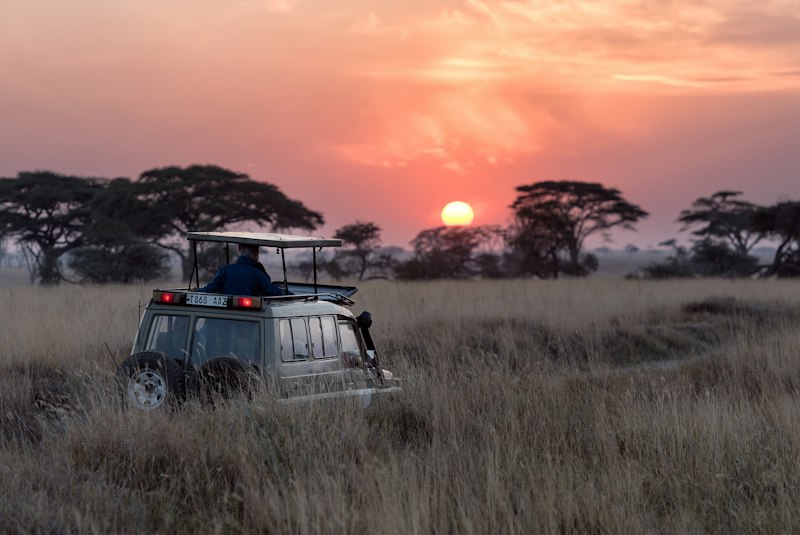
A safari in Tanzania is a dream for many travelers, but the perception of high costs often holds people back. The good news? You can experience the wonders of the Serengeti, Ngorongoro Crater, and the Great Migration without spending a fortune. With smart planning, group tours, and budget-friendly accommodation, a Tanzanian safari can be both affordable and unforgettable.
In this guide, we'll show you exactly how to plan a budget safari in Tanzania, covering everything from choosing the right parks to saving money on accommodations and transport.
1. Why Tanzania is the Ultimate Safari Destination
Tanzania is home to some of the most iconic wildlife destinations on Earth. The Serengeti National Park alone offers unparalleled wildlife viewing, with over 2 million wildebeest, zebras, and gazelles migrating across its plains. The Ngorongoro Crater, a UNESCO World Heritage site, hosts a dense population of lions, elephants, and rhinos. Add to that the stunning landscapes of Lake Manyara and Tarangire National Park, and you have a safari paradise.
🦁 Did you know? The Serengeti-Mara ecosystem is one of the oldest and most complex ecosystems on Earth, with over 70 large mammal species and 500 bird species.
2. Budget Safari Options: Camping vs Lodges

The most significant cost on a safari is accommodation. Here are the main options:
- Camping Safaris (Budget): The cheapest option. You'll stay in public or private campsites with basic facilities. Many budget operators include tents, sleeping mats, and meals. Prices range from $100–$150 per person per day.
- Budget Lodges (Mid-Range): Simple permanent structures with en-suite bathrooms. These are more comfortable than camping but still affordable, costing $200–$350 per person per day.
- Luxury Lodges (Expensive): High-end experiences with gourmet food, private pools, and exclusive game drives. Prices start at $500+ per day — not ideal for budget travelers.
Our recommendation: Choose a camping safari or a joining group tour to keep costs low. Many operators allow you to join an existing group, which significantly reduces your per-person costs.
3. Top Parks to Visit on a Budget
Not all parks have the same entrance fees. Here's a breakdown:
- Serengeti National Park: $80 per person per day (high season). The most expensive but also the most rewarding.
- Ngorongoro Crater: $70 per person per day. The crater floor offers some of the best wildlife viewing anywhere.
- Lake Manyara National Park: $35 per person per day. A great option for birdwatchers and tree-climbing lions.
- Tarangire National Park: $35 per person per day. Known for its large elephant herds and baobab trees.
Tip: If you're on a tight budget, consider visiting only 2-3 parks instead of all of them. The Serengeti and Ngorongoro are must-sees; you can add Tarangire or Manyara as a secondary option.
4. The Great Migration – Where & When

The Great Migration is the largest overland animal migration in the world, with over 1.5 million wildebeest and 250,000 zebras moving in a circular pattern between Tanzania and Kenya. Here's when to see it in Tanzania:
- January – March: Calving season in the southern Serengeti (Ndutu area). Thousands of babies are born daily — a predator's paradise.
- April – May: The herds move west and north, encountering river crossings.
- June – October: The migration heads towards the Mara River in the north. This is the most dramatic time for river crossings — and it's also the most popular.
- November – December: The herds return to the southern plains as the short rains begin.
📅 Best for budget travelers: Visit during the shoulder seasons (May–June or November) when park fees are lower and the herds are still in the Serengeti but crowds are thinner.
5. How to Save Money – Insider Tips
Here are some proven strategies to cut costs without sacrificing experience:
- Join a group tour: Solo travelers can join a group of 4-6 people, splitting the cost of the vehicle, guide, and fuel. Many operators offer "join-in" safaris.
- Go during low season: March–May and November have lower park fees and accommodation rates. It's wetter, but wildlife viewing is still excellent.
- Bring your own food: Some campsites allow self-catering. Buying groceries in Arusha or Moshi is significantly cheaper than eating at lodges.
- Book in advance: While last-minute deals exist, booking 3-6 months ahead often gets you better rates, especially for camping safaris.
- Use a local operator: Tanzanian-based tour operators are often cheaper than international agencies, even for the same itinerary.
6. What to Pack for a Safari
Packing right ensures you're comfortable and prepared. Here's a checklist:
- Clothing: Light, neutral-colored clothes (khaki, beige, olive). Avoid bright colors that scare animals. Layers are essential — mornings are cold, afternoons are hot.
- Footwear: Sturdy hiking boots for game walks and comfortable sandals for camp.
- Binoculars: Essential for spotting wildlife from a distance.
- Camera with extra batteries: You'll take hundreds of photos. Solar chargers are handy for camping.
- First-aid kit: Include malaria prophylaxis, antiseptic, and painkillers.
- Reusable water bottle: Stay hydrated and reduce plastic waste.
7. Final Thoughts
A budget safari in Tanzania is not only possible — it's a life-changing experience. By choosing the right season, joining a group, and camping, you can witness the raw beauty of the African wilderness without emptying your wallet.
🌍 Remember: A safari is more than just seeing animals. It's about connecting with nature, understanding conservation, and supporting local communities. Travel responsibly and leave no trace.
So what are you waiting for? Pack your bags, book that budget safari, and get ready to see the wildest show on Earth.