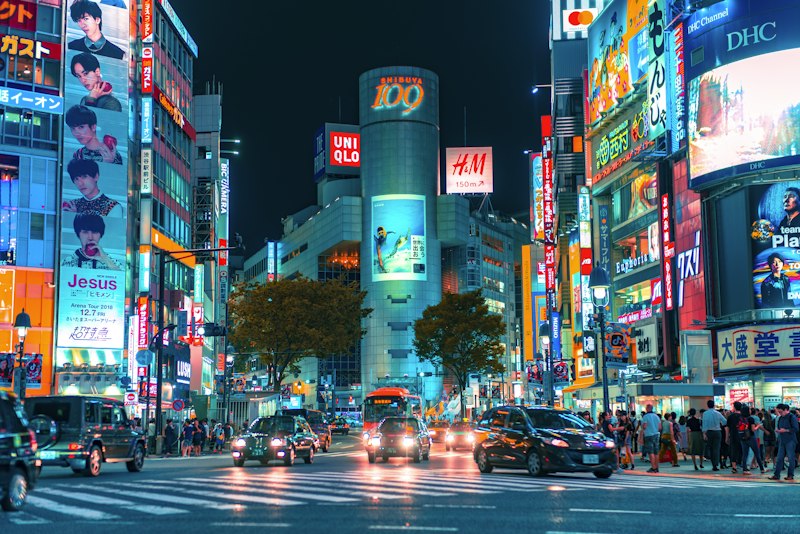
Tokyo is a city of contradictions — neon-lit skyscrapers tower over narrow, lantern-lit alleyways where time seems to stand still. Some of the city's most unforgettable culinary experiences aren't found in Michelin-starred restaurants, but in tiny backstreets where smoke rises from charcoal grills and locals squeeze into counter seats no wider than a suitcase.
These hidden food alleys — known locally as yokocho — are the soul of Tokyo's food culture. They're where office workers unwind after a long day, where travelers become friends over shared plates of yakitori, and where you'll taste the most authentic flavors Japan has to offer. In this guide, we'll take you through the best hidden food alleys in Tokyo, what to eat, and how to navigate them like a local.
1. Omoide Yokocho – Memory Lane (Shinjuku)
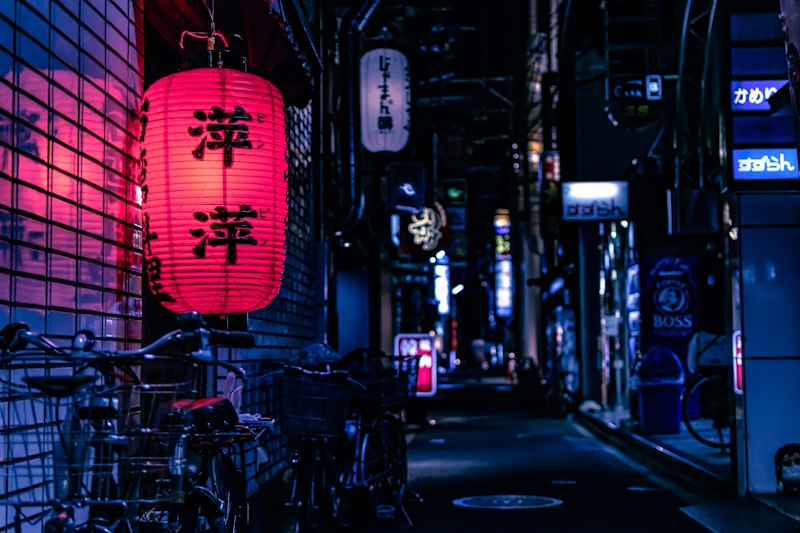
Location: Shinjuku, just west of JR Shinjuku Station
Omoide Yokocho — literally "Memory Lane" — is a narrow alleyway packed with over 60 tiny eateries, many of which have been serving customers since the 1940s. The air is thick with the scent of grilled chicken, beef offal, and smoky charcoal. Each shop seats only 5-8 people, creating an intimate experience where you can watch the chef work just inches away.
What to eat: Yakitori (grilled chicken skewers), motsuyaki (grilled offal), and nihonshu (Japanese sake). The skewers are simple — salt or sauce — but perfectly cooked over binchotan charcoal.
💡 Insider Tip: Arrive around 5 PM to grab a seat without queuing. Point at what looks good on the counter or simply order the chef's omakase (chef's choice).
2. Golden Gai – Tiny Bars & Izakayas (Shinjuku)

Location: Shinjuku, a short walk from Omoide Yokocho
Golden Gai is a labyrinth of six narrow alleys crammed with over 200 tiny bars and izakayas. Many venues are so small they fit only 5-6 people. Each bar has its own personality — some focus on whiskey, others on sake, and some on live jazz. It's a place where you'll often find yourself chatting with locals and fellow travelers over drinks.
What to eat: Small plates like edamame, sashimi, grilled fish, and oden (Japanese hotpot). Most places have a small kitchen and serve simple, comforting food.
3. Ameya-Yokocho – Market Street Food (Ueno)

Location: Ueno, between JR Ueno Station and Okachimachi Station
Ameya-Yokocho (or "Ameyoko") is a bustling market street that stretches for about 500 meters. It's a sensory overload of sights, sounds, and smells — fresh seafood, dried goods, spices, and street food stalls lining both sides. Unlike the evening-focused alleys, Ameyoko is best visited during the day for a more lively, chaotic market experience.
What to eat: Fresh oysters, grilled scallops, takoyaki (octopus balls), and nishiki (Japanese-style pancakes). Don't miss the fresh fruit smoothies — perfect for a hot day.
4. Ebisu Yokocho – A Modern Twist (Ebisu)
Location: Ebisu, near Ebisu Station
Ebisu Yokocho offers a more modern take on the traditional food alley. It's a covered arcade with a retro vibe, lined with stylish izakayas and bars. The atmosphere is lively but less chaotic than Shinjuku, making it a great choice for a relaxed evening out. Many shops here have English menus, making it beginner-friendly.
What to eat: Ramen, gyoza, grilled seafood, and craft beer. Several stalls specialize in regional Japanese dishes, so you can "eat your way" across the country without leaving Tokyo.
5. Harmonica Yokocho – Kichijoji's Hidden Gem
Location: Kichijoji, a 20-minute train ride from Shinjuku
Less known to tourists, Harmonica Yokocho is a charming alleyway in the trendy neighborhood of Kichijoji. It's packed with tiny bars, grills, and eateries, many of which have been family-run for generations. The vibe is more local and laid-back — you'll see more residents than tourists.
What to eat: Kushikatsu (deep-fried skewers), yakitori, and local sake. The area is also known for its tachinomi — standing bars where you enjoy drinks and small bites at the counter.
6. What to Eat & How to Order
Navigating Tokyo's food alleys can be intimidating for first-timers, but it's easier than you think. Here's a quick guide:
- Yakitori: Grilled chicken skewers — choose from momo (thigh), negima (chicken and leek), or tsukune (chicken meatball).
- Ramen: Slurp-worthy noodles in rich broth. Tonkotsu (pork bone) is a favorite.
- Gyoza: Pan-fried dumplings with juicy pork and vegetable filling.
- Oden: A comforting hotpot with fish cakes, daikon radish, and boiled eggs.
- Sashimi: Fresh slices of raw fish — tuna, salmon, and mackerel are common.
How to order: Most places have a counter where you can point at dishes. Many use a ticket machine at the entrance — insert money, press the button for your dish, and hand the ticket to the chef. Don't forget to say "Sumimasen" (excuse me) to get the chef's attention!
7. Final Thoughts
Tokyo's hidden food alleys are more than just places to eat — they're windows into Japanese culture, community, and history. In a city that's constantly evolving, these narrow lanes preserve a sense of nostalgia and authenticity that's hard to find elsewhere.
🍢 Remember: The best experiences often come from stepping into a tiny shop without a plan. Let your nose guide you, and don't be afraid to try something unfamiliar. That's where the magic happens.
Whether you're a seasoned traveler or a first-time visitor to Tokyo, exploring these food alleys will be a highlight of your trip. Pack your appetite, grab a friend (or go solo), and get ready to eat your way through the city's best-kept secrets.
Kanpai! (Cheers!)