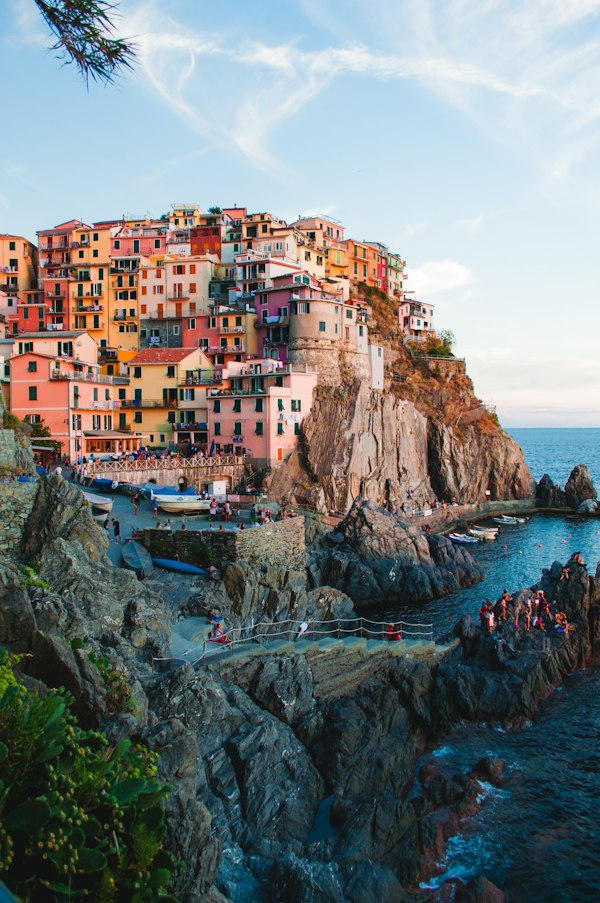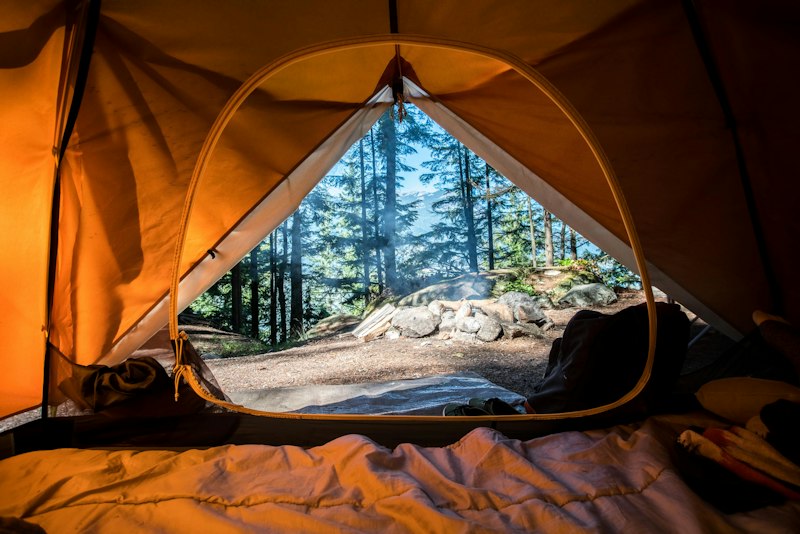
In an age of "12 cities in 10 days" itineraries and Instagram-fueled FOMO, the idea of slow travel feels almost revolutionary. But what if the secret to a truly memorable trip isn't about seeing more—but about experiencing less, more deeply? Slow travel isn't just a buzzword; it's a mindset shift that transforms tourists into travelers, and vacations into life-changing journeys.
1. What is Slow Travel?
At its core, slow travel is about immersing yourself in a destination rather than rushing through it. It means staying in one place for several days or weeks, using local transport, eating where locals eat, and letting spontaneity guide your days. Instead of a rigid checklist, it prioritizes connection: with the land, the culture, and the people.
💡 Key Insight: Slow travel is not about how far you go, but how deeply you go. It's the difference between tasting a dish and understanding the story behind its ingredients.
2. Why It Beats "Checking Off" Countries
Modern travel often feels like a race—collecting passport stamps like baseball cards. But research shows that experiential memory (how a place made you feel) lasts much longer than factual memory (which monument you saw). When you slow down, you give your brain time to form meaningful connections. You remember the smell of the morning market, the sound of the town square, and the face of the baker who taught you how to roll pasta.
Moreover, slow travel reduces stress. No rushing for trains, no sleeping in a new bed every night. You find a rhythm—a morning coffee ritual, a favorite park bench, a local bar where they know your name. That is the luxury of time.
3. How to Actually Practice It
Transitioning from a "fast" traveler to a "slow" one requires conscious effort. Here are actionable steps to get started:
- Choose one base for at least 4–5 nights. Instead of moving every day, use a city or town as a hub and take day trips if you get restless.
- Limit your must-see list. Pick 2-3 "big" attractions and leave the rest open for discovery.
- Walk everywhere. Walking is the ultimate slow travel activity. It forces you to notice details—the architecture, the street art, the hidden courtyards.
- Cook a meal. Visit a local market, buy ingredients you've never seen before, and try to cook something. It's a sensory immersion.
4. Best Global Destinations for Slow Travel
While slow travel can be practiced anywhere, some places naturally lend themselves to a more languid pace:
- Puglia, Italy: Whitewashed hilltop towns, olive groves, and the Adriatic coast. Rent a trullo house and spend your days eating orecchiette and drinking Primitivo.
- Kerala, India: Navigate the backwaters on a houseboat, stay in a homestay with a local family, and watch the sun set over the Arabian Sea.
- Oaxaca, Mexico: A culinary and cultural paradise. Stay for a week to truly appreciate the mezcal, mole, and vibrant indigenous textiles.
- Lofoten Islands, Norway: For the nature lover. Spend days hiking, fishing, and staring at the midnight sun or Northern Lights without rushing a thing.
5. Connecting with Locals
This is the heart of slow travel. When you stay longer, locals open up. You move from being "just another tourist" to a familiar face. Here's how to foster those connections:
- Learn 10 phrases of the local language. It shows respect and breaks down barriers instantly.
- Shop at local stores. Skip the souvenir chains. Buy from the butcher, the baker, and the candlestick maker.
- Use platforms like Couchsurfing or Meetup to find local events, language exchanges, or community dinners.
6. Sustainability & Mindset
Slow travel is inherently more sustainable. By staying longer, your carbon footprint per day decreases. You support local economies directly rather than international chains. It also cultivates a mindset of gratitude. You realize that travel isn't a competition. It's a privilege. The world is vast, and you don't need to conquer it—you just need to listen to it.
🌱 Remember: The goal of slow travel is not to see everything, but to see something so completely that it changes you.
7. Final Thoughts
In a hyper-connected world, the most rebellious act might just be to unplug and slow down. Next time you plan a trip, resist the urge to optimize every hour. Leave room for the unexpected. Take the long way. Sit on a park bench and do nothing. That is where the magic happens. That is where you truly arrive.
Ready to embrace the art of slow travel? Your journey starts not with a flight, but with a decision to see the world differently.